Do Speaker Cleaner Apps Work and Are They Safe?
By WaterEject Team
By WaterEject Team
If you searched for an app that cleans phone speakers, you are probably dealing with muffled sound, weak volume, or that wet, crackly audio that happens after rain, a sink splash, or pocket lint buildup. The short answer is yes: speaker cleaner apps can work, but only for very specific problems.
A good phone speaker cleaner app uses controlled low-frequency sound to create pressure changes that help push water or loose debris back out through the speaker grille. A bad one overpromises, uses random tones, or encourages unsafe volume habits. This guide explains what actually works, when a speaker cleaner app is safe, and when you should stop and get a repair instead.
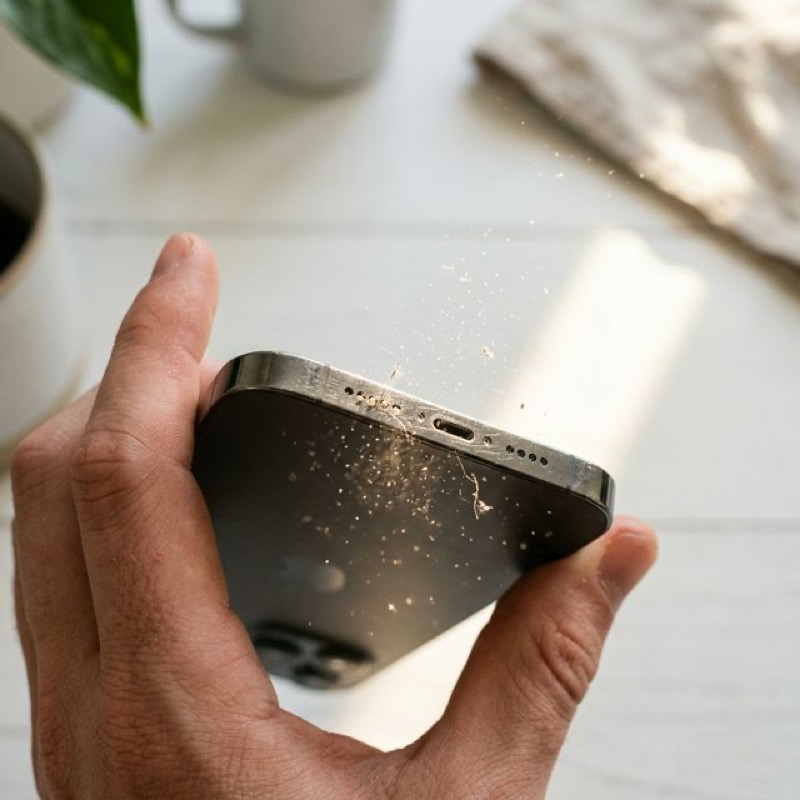
They work best when the problem is trapped moisture or light debris near the speaker mesh. In those cases, the speaker can still move, but water droplets or fine dust are damping the vibration. A controlled sweep in the right range can shake that material loose.
They do not fix every speaker problem. If your phone has corrosion, torn speaker material, a damaged amplifier, or compacted dirt deep inside the housing, a cleaner app will not magically repair it.
This is why the best results usually come from a free speaker cleaner app or web tool that focuses on water ejection physics, not from generic noise generators.
In general, a speaker cleaner app is safe when it uses sensible frequency ranges, moderate cycle lengths, and normal phone speaker output levels. The same basic principle is already familiar from devices like Apple Watch, which uses sound-based water ejection as part of its design.
Safety depends more on how the tone is generated than on the idea of sound cleaning itself. Phone speakers are built to vibrate. The goal is to use frequencies that produce enough movement to dislodge water without holding the speaker at an extreme tone for too long.
If you are comparing tools, look for signs that the product was designed for speaker cleaning, not just audio playback:
WaterEject follows that model by using calibrated sweep patterns instead of a single repeating beep. If you want the technical background, read how sound removes water from speakers.
This is the part many pages skip. You should not keep hammering the speaker with tones if the real issue is hardware damage. Move on from app-based cleaning if you notice any of the following:
If your speaker got wet recently, this emergency water removal guide is the right next read. If you want the full process, the water ejection guide covers iPhone, Samsung, and Android step by step.
Some people want a downloadable free speaker cleaner app. Others just want something that works immediately in the browser. Both can be valid.
If your main question is whether speaker cleaner apps work, focus less on branding and more on whether the tool uses purposeful frequency sweeps and gives you clear stop conditions.
Yes, if the speaker is still functioning and the problem is moisture or light debris. The physics are the same across iPhone, Samsung, Pixel, and most other phones.
Usually yes, when it uses sensible low-frequency sweeps and short cycles. It is not safe to run endlessly or to keep forcing playback when the speaker is clearly damaged.
The best option is the one that explains its method, uses controlled water-ejection style tones, and tells you when to stop. A flashy interface without a real cleaning protocol is not enough.
It can help with loose dust near the grille, but compacted lint or oily debris usually needs careful physical cleaning. Sound works best as a first step, not as a universal fix.
Need to test your speaker right now? Use WaterEject to run a calibrated cleaning cycle in the browser or install the app for additional cleaning modes.